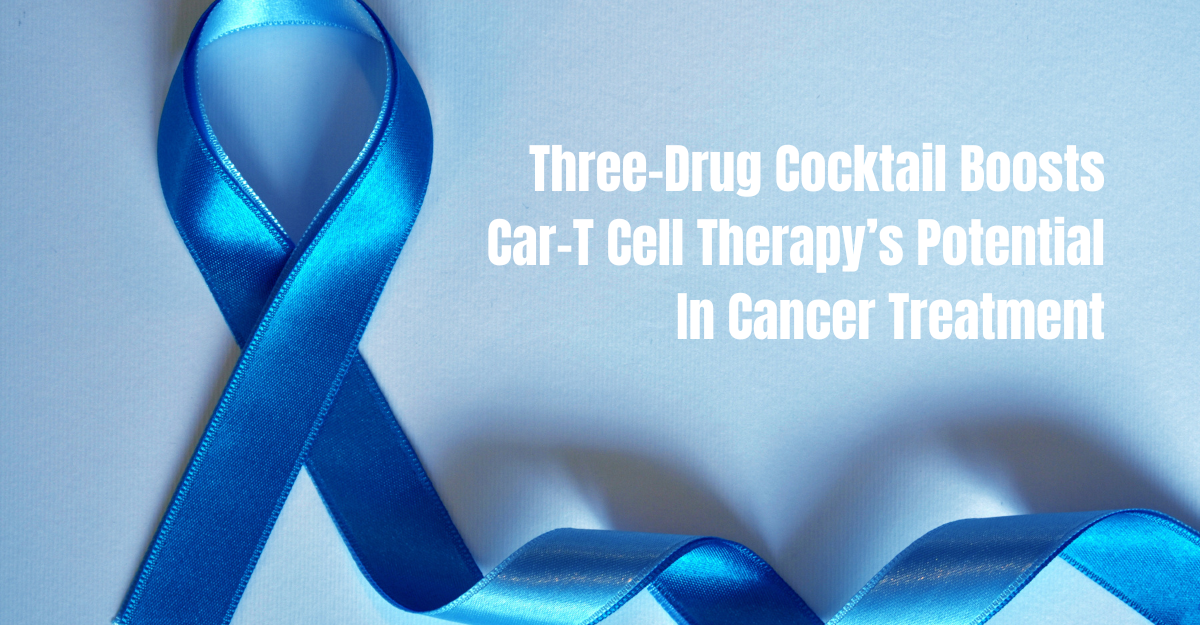
Preclinical research from the University of North Carolina Lineberger Comprehensive Cancer Center has revealed a promising cocktail of three different drugs that could potentially enhance CAR-T (chimeric antigen receptor-T) cell therapy for cancer treatment. This discovery has the potential to significantly improve the production of CAR-T cells for clinical use by boosting the immune system’s ability to fight cancer.
CAR-T cell immunotherapy involves harvesting T cells from a patient’s immune system, genetically modifying them in the lab to target and attack cancer cells, and then reinfusing them into the patient. This treatment has shown remarkable success in certain cancers, particularly when the modified cells contain T-memory stem cells (TSCM), a subset of immune cells responsible for the long-term persistence of the therapy.
The research, published on January 8 in Nature Immunology, highlights how the addition of a three-drug cocktail during the CAR-T cell re-engineering process can preserve a critical subset of TSCM-like cells, which are essential for the long-term effectiveness of the therapy. Gianpietro Dotti, MD, co-leader of the UNC Lineberger immunology research program, explained that the lack of these key TSCM-like cells in the final CAR-T product often limits the cells’ ability to persist and fight cancer long-term.
Using laboratory and mouse experiments, the researchers identified several kinases (ITK, ADCK3, MAP3K4, and CDK13) that are crucial for enriching TSCM-like CAR-T cells. Among these, ADCK3 and MAP3K4 were identified as novel targets for further investigation, with the potential to improve T-cell differentiation and immune function.
The team then screened for drugs that inhibit these kinases and found that a cocktail of three kinase inhibitors could effectively preserve TSCM-like cells in CAR-T cells derived from both healthy donors and patients with chronic lymphocytic leukemia (CLL). Unlike a single kinase inhibitor, the three-drug combination consistently enriched the frequency of TSCM-like cells, demonstrating improved anti-tumor activity.
This breakthrough suggests that combining multiple kinase inhibitors targeting different pathways could bypass cancer cells’ compensatory mechanisms and enhance CAR-T therapy’s effectiveness. While this research was focused on CLL, Dotti believes the approach could be applied to a broader range of cancers and T-cell therapies.
Further studies are needed to explore how these kinase inhibitors promote TSCM differentiation before the drug cocktail can be tested in clinical trials. However, the researchers are optimistic that this cocktail could be integrated into CAR-T cell manufacturing processes, offering new hope for patients undergoing immunotherapy for various cancers.
Also Read: Takeda Launches Innovation Centre
Author

Discover more from Industry News | Latest News, Trends & Market Insights.
Subscribe to get the latest posts sent to your email.