What is oropouche fever?
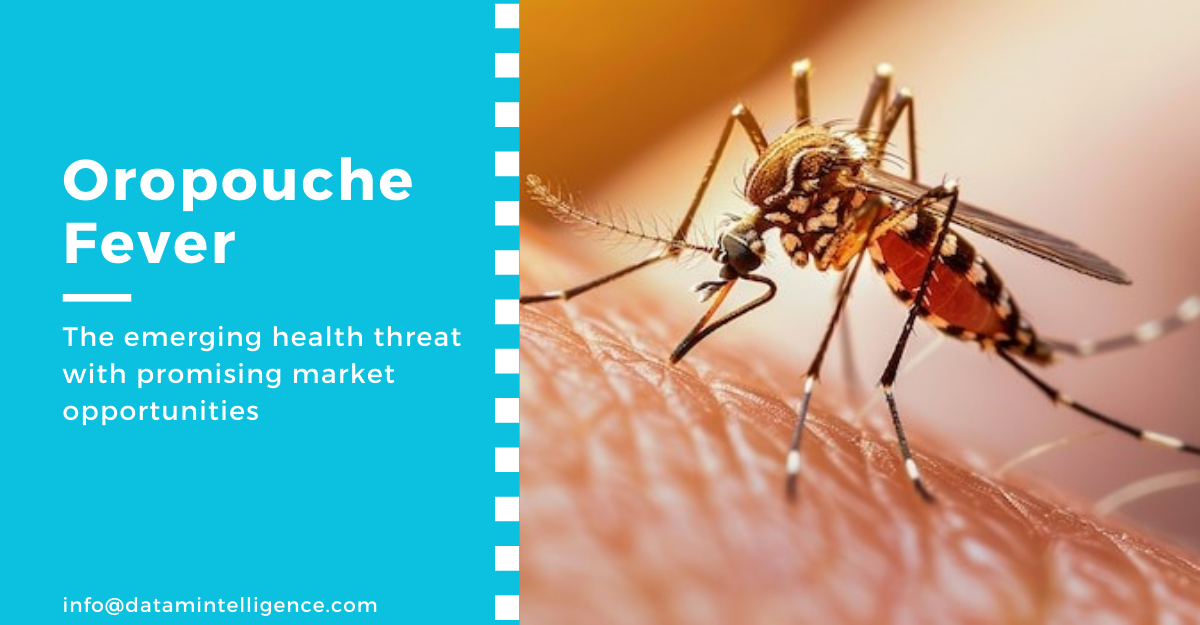
Oropouche fever caused by the Oropouche virus (OROV) is predominant in Central America, South America, and the Caribbean region. The virus spreads to humans through biting midges and mosquitoes.
The common symptoms of oropouche fever are similar to dengue and include:
- High fever
- Chills
- Headache
- Rashes
- Persistent nausea and vomiting
- Myalgia
In some patients, Oropouche fever case cause
- Meningitis
- Neuroinvasive disease – ~4% of infected patients will develop symptoms such as
- Dizziness
- Lethargy
- Photophobia
- Occipital pain
- Nystagmus
- Nuchal rigidity
- Guillain-Barré syndrome- Incidence is rare, but some people develop GBS after an oropouche infection
- Infection in pregnant women may cause fetal abnormalities or fetal death.
Why the sudden highlight?
Oropouche fever cases have been increasingly reported in Southern and Central America regions since the end of 2023. From January 1 to November 25, 2024, nearly 11,634 diagnosed cases and 2 deaths were reported in 10 countries and 1 territory of the Americas. New countries which have not previously reported any cases have reported the outbreak in 2024. The highest number of cases are reported in Brazil, accounting for 9,563 patients, including 2 deaths from January 1 to November 25, 2024.

The complications in pregnant women are one of the leading reasons for highlighted surveillance of Oropouche fever. In Brazil, fetal death occurred in one pregnant woman infected with oropouche fever, and one woman experienced miscarriage. The fetal examination concluded the presence of the oropouche virus in the placenta.
In response to these events, the Brazil IHR National Focal Point (NFP) informed PAHO/WHO on July 12, 2024, about the vertical transmission of the Oropouche virus (OROV). Since then, Brazil has been investigating 15 fetal deaths, 5 spontaneous miscarriages, and 3 congenital abnormalities related to oropouche infections. In September, Cuba has also confirmed 3 cases of congenital abnormality.
What are the treatment options for oropouche fever?
At present, no specific antiviral or vaccine is available for oropouche fever. The current treatment includes supportive therapy to manage the symptoms.
Promising drugs for oropouche fever.
There are limited scientific studies that have evaluated the efficacy of antivirals or vaccine candidates against oropouche fever. The notable antiviral drugs -ribavirin, and mycophenolic acid have shown no efficacy on the oropouche virus. However, two new antiviral drugs have been recently proven to be efficacious against the Oropouche virus. These include wedelolactone and acridones class.
In 2024, a study was published in the Current Research in Microbial Sciences Journal, which evaluated the antiviral activity of wedelolactone against the oropouche virus. The study was performed in-vitro on mammalian cells infected with the oropouche virus and concluded that wedelolactone inhibits the oropouche virus in a dose-dependent manner, and acts by obstruction of viral endonuclease pocket formation.
Moreover, a similar study was published evaluating acridone’s– a newer family of antivirals against the oropouche virus. Two acridones named FAC21, and FAC22 were synthesized and evaluated for antiviral properties against the oropouche virus in-vitro. The study concluded with positive results stating that FAC21 has strong inhibitory activity and inhibited up to 95% of the endonuclease activity.
What are the market opportunities for oropouche fever treatment?
Development of novel antivirals
wedelolactone and acridones have shown promising antiviral activity against oropouche fever in-vitro. However, these drugs are in the early stages and need further scientific evidence to proceed with clinical trials that evaluate their efficacy, mechanism of action, safety profile, etc. Considering the current disease burden, it is high time, for manufacturers to invest in R&D activities focused on developing novel antivirals.
Development of vaccine candidates
Oropouche fever, although not deadly in a majority of the population, pregnant women and fetuses are at higher risk and the fetus may succumb to death upon infection. With the alarming rise in cases, fetal deaths or fetal abnormalities may rise shortly. A proper vaccine candidate has not made it to the pre-clinical or clinical trials. Its high time, for manufacturers and public health agencies to invest in the development of novel vaccine candidates.
Author

Discover more from Industry News | Latest News, Trends & Market Insights.
Subscribe to get the latest posts sent to your email.